
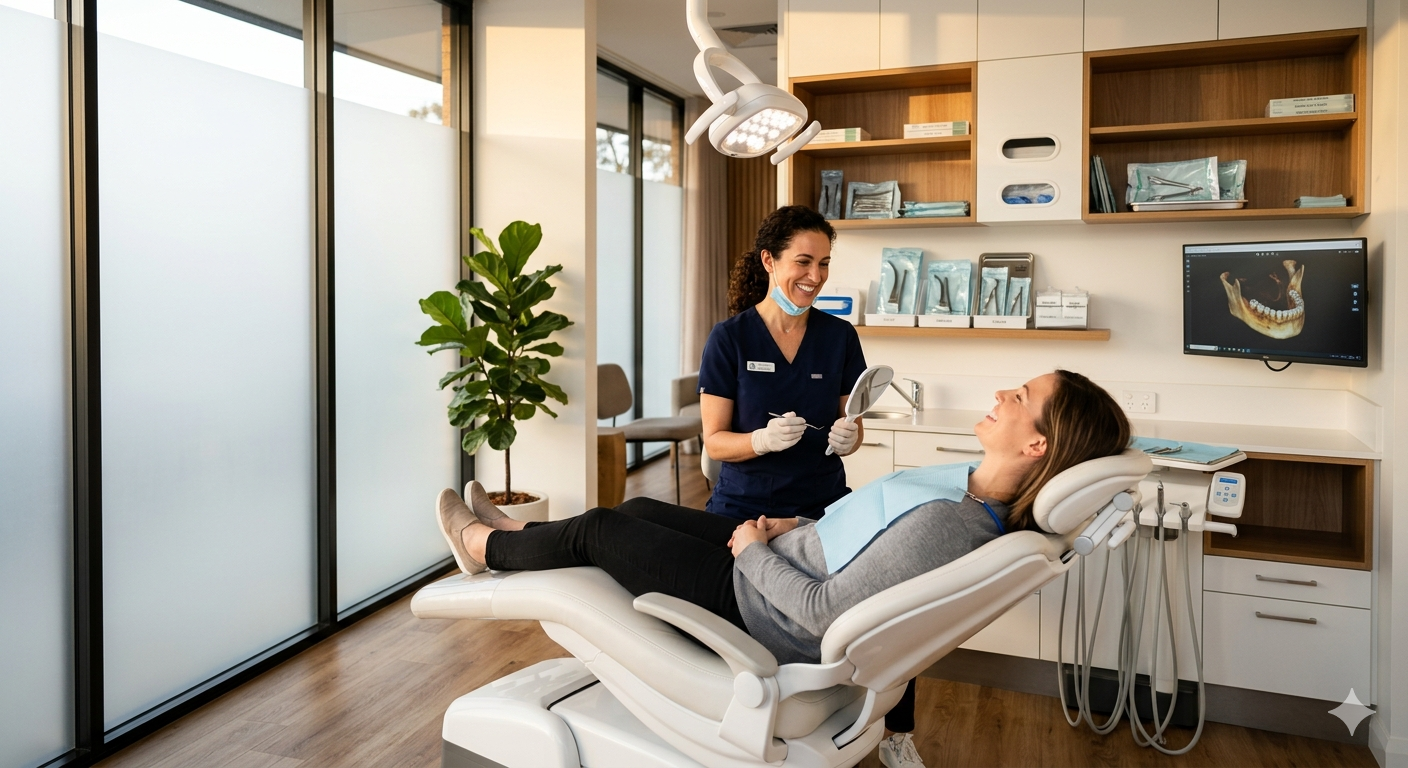
Orthodontics services in Fair Oaks, CA, offer effective solutions for straightening teeth and improving smiles at any age. Whether addressing overcrowding, bite issues, or alignment problems, local specialists use modern techniques tailored to each patient’s needs. Patients in Fair Oaks can access a range of orthodontic options that focus on comfort and long-term oral health.
Many providers in the area combine advanced technology with a patient-centered approach to make treatments as smooth as possible. From traditional braces to clear aligners, these services are designed to fit different lifestyles and preferences. They also emphasize preventive care and ongoing support to ensure lasting results.
Choosing the right orthodontic service can be straightforward when guided by experienced professionals who explain every step clearly. If you’re curious about how orthodontics could improve your smile and confidence, a consultation in Fair Oaks is a great next step.
Overview of Orthodontics Services in Fair Oaks CA
Orthodontic care in Fair Oaks combines advanced technology with personalized treatment plans designed to improve teeth alignment and oral health. Patients here have access to a range of options that focus on comfort and long-term results.
What Is Orthodontics?
Orthodontics is a dental specialty focused on diagnosing, preventing, and correcting misaligned teeth and jaws. It involves using devices like braces, clear aligners, and retainers to improve bite function and aesthetics. This field addresses issues like overcrowding, gaps, overbites, and underbites.
Proper orthodontic treatment not only enhances appearance but also helps prevent dental problems such as tooth decay, gum disease, and jaw pain. Treatments are tailored based on age, dental structure, and specific needs, ensuring effective and comfortable care throughout.
Why Choose an Orthodontist in Fair Oaks CA
Orthodontists in Fair Oaks offer a blend of experienced care and modern technology like digital scans and 3D imaging. This local expertise means treatments are customized to community needs, with a strong focus on patient comfort and efficient timelines.
Many practices in the area emphasize ongoing support, including flexible appointments and clear communication. Patients also benefit from a friendly environment where questions are encouraged, making the orthodontic journey less daunting.
Who Can Benefit from Orthodontic Treatment
Orthodontic treatment suits people of all ages. Children can correct growing issues early, preventing complex problems later. Teens often benefit from treatments geared toward active lifestyles, like low-profile braces or clear aligners.
Adults looking to improve their smile or bite find options suited to busy schedules and aesthetic preferences. Orthodontics can address functional problems such as speech difficulties or uneven wear on teeth as well as cosmetic goals, making it a valuable service for anyone seeking healthier oral function.
Types of Orthodontic Treatments Available
Orthodontic care offers several effective options to straighten teeth and improve bite alignment. Each treatment varies in materials, visibility, and maintenance, allowing patients to choose what best fits their lifestyle and dental needs.
Traditional Metal Braces
Traditional metal braces are the most common and widely recommended orthodontic treatment. They use metal brackets glued to the teeth and connected by wires that are regularly tightened to gradually shift teeth into place.
These braces are highly effective for treating complex dental issues, including severe misalignment and bite problems. Modern metal braces are smaller and more comfortable than earlier versions, and patients can choose from colored bands to personalize their look.
While metal braces require regular adjustment visits and careful cleaning, they tend to work faster than some alternative treatments, making them a reliable choice for many patients.
Clear Aligners and Invisalign
Clear aligners, like Invisalign, provide an almost invisible way to straighten teeth using a series of custom-made plastic trays. Each tray applies gentle pressure to move teeth gradually and is replaced every one to two weeks.
They are removable, which means patients can eat, drink, and clean their teeth without restrictions. This feature makes them very convenient, especially for adults and teens who want a discreet and flexible option.
Clear aligners are best suited for mild to moderate orthodontic problems. However, they require discipline in wearing them for 20-22 hours per day to be effective.
Ceramic Braces
Ceramic braces work like metal braces but use clear or tooth-colored brackets, making them less noticeable. They blend in better, which appeals to patients concerned about the appearance of traditional braces.
They are just as effective as metal braces for many dental corrections but may be slightly more fragile. Patients should be careful with foods that could stain the brackets or wires.
Ceramic braces typically require the same regular adjustments as metal braces and offer a good balance between aesthetics and treatment strength.
Life with Braces and Aligners
Adjusting to braces or aligners means adopting new habits that protect your teeth and ensure the best results. Care routines, comfort management, and small lifestyle changes all play important roles during treatment. Understanding these elements helps keep your smile progress smooth and healthy.
Daily Oral Care Tips
Braces and aligners create more places for food and plaque to hide, making thorough cleaning vital. For braces, brushing after every meal with a soft-bristle brush helps remove trapped particles. Use a fluoride toothpaste and a small, angled brush to clean around brackets and wires carefully.
Flossing can be tricky but is essential. Threaders or orthodontic flosses make it easier to get between teeth. Aligners require daily brushing of both teeth and the trays. Rinsing aligners before reinserting prevents bacteria buildup. A water flosser is a helpful tool for both methods.
Regular dental checkups remain crucial. Professionals can spot issues and provide extra cleanings to protect oral health during treatment.
Managing Discomfort
Some soreness is common after braces tighten or when switching to new aligner sets. Over-the-counter pain relievers like ibuprofen often ease discomfort within days. Using orthodontic wax on brackets can prevent irritation to lips and cheeks.
Cold compresses applied to the outside of the mouth reduce swelling and relieve aches. For aligner wearers, the sensation of pressure usually fades quickly. Starting with shorter daily wear times and gradually increasing helps the mouth adjust more comfortably.
If pain persists or sharp wires cause damage, contacting the orthodontist promptly ensures problems are addressed before they worsen.
Diet and Lifestyle Adjustments
Eating carefully protects braces and reduces treatment delays. Avoid hard foods like nuts, popcorn, and hard candies that can break wires or brackets. Sticky or chewy items such as caramel and gum can pull on braces and get stuck.
Cutting fruits and vegetables into bite-sized pieces makes eating easier and safer. Aligner users should remove trays during meals and avoid sugary or acidic drinks to prevent tooth decay.
Drinking plenty of water supports saliva flow, which naturally cleans teeth and gums. Gentle exercise and good sleep also help maintain overall health during orthodontic treatment.
Patients should feel confident asking their orthodontist for personalized tips based on their lifestyle and treatment type.
Early Orthodontic Evaluations for Children
Identifying orthodontic issues early can make treatment smoother and less invasive. Understanding when to seek care and how early intervention helps sets the stage for healthier, straighter smiles.
Signs Your Child May Need Braces
Parents should watch for common signs like crowded teeth, difficulty chewing, or a noticeable overbite or underbite. Early loss of baby teeth or thumb sucking beyond age five can also affect alignment.
Other indicators include difficulty speaking clearly, jaws that shift or make sounds, and uneven jaw growth. If these behaviors or physical traits are present, a professional check can determine if braces or other treatments are needed.
Benefits of Early Intervention
Starting orthodontic care while a child’s jaw is still growing often simplifies treatment. Early intervention can guide jaw development, reduce the need for tooth extraction, and prevent more severe issues later.
It also helps improve oral function and boosts a child’s confidence by addressing visible dental concerns early. Many treatments used at this stage are less complicated, making visits more comfortable for young patients.
Orthodontic Care for Teens and Adults
Orthodontic treatment adapts to fit different needs during various life stages. Both teenagers and adults benefit from tailored care plans that focus on comfort, effectiveness, and lifestyle.
Popular Treatment Options for Teens
For teens, treatment often balances effectiveness with appearance and daily activities. Traditional metal braces remain a popular choice due to their durability and precise control over tooth movement.
Ceramic braces provide a less noticeable alternative, using tooth-colored materials that blend in more naturally. These are popular among teens conscious about aesthetics.
Another option gaining popularity is clear aligners, which are removable and virtually invisible. They offer flexibility for eating and cleaning, though they require discipline to wear consistently.
Regular check-ups every 4-6 weeks ensure progress stays on track. Orthodontists also focus on managing discomfort and protecting teeth from damage during treatment.
Adult Orthodontics: What to Expect
Adults have more treatment options to suit professional and personal lifestyles. Clear aligners are especially favored by adults seeking discreet solutions that don’t interfere with their daily routines.
Adults often require additional care, such as managing gum health and addressing previous dental work. Orthodontic treatment might take longer due to denser bone structure compared to teenagers.
Comfort and convenience are key priorities. Many practices offer digital scans and faster turnaround times for aligners or customized braces.
Orthodontists also pay close attention to bite correction and jaw alignment, improving both function and appearance. Follow-up care includes retainers to maintain results long-term.
The Orthodontic Treatment Process in Fair Oaks CA
Orthodontic care in Fair Oaks follows a clear, patient-focused flow designed to create healthy, beautiful smiles. The process begins with a thorough evaluation, moves into a tailored treatment plan, and includes regular check-ins to ensure progress and comfort.
Initial Consultation and Assessment
The first appointment starts with a detailed examination of the teeth, jaws, and bite. The orthodontist takes X-rays, photos, and dental impressions or digital scans to get a complete picture of oral health.
During this visit, the patient discusses their concerns and goals. This helps the orthodontist understand what kind of treatment will best suit their lifestyle and dental needs. It’s also a chance to ask about options like traditional braces, clear aligners, or other appliances.
The team reviews overall health history to ensure no medical issues will interfere. They explain the expected timeline and costs, setting clear expectations from the start.
Customizing Your Treatment Plan
Once assessment results are in, the orthodontist develops a treatment plan tailored specifically to the patient’s teeth alignment and bite issues. This plan details the type of braces or aligners, estimated treatment length, and any special appliances needed.
Patients receive clear information about how their chosen appliances work and what daily care involves. This can include tips on brushing, diet, and handling any discomfort.
A personalized schedule is created to balance effective treatment with patient convenience. The orthodontist also discusses potential outcomes and answers all questions, ensuring patients feel confident moving forward.
Regular Adjustments and Follow-Up
Throughout treatment, regular visits—usually every 4 to 8 weeks—keep progress on track. These appointments allow the orthodontist to adjust wires, switch aligner trays, or check appliance fit.
Each session is brief but important for gradually guiding teeth into the desired position. Patients are encouraged to report any discomfort or concerns to maintain comfort.
The orthodontist monitors oral health closely to prevent issues like cavities or gum irritation during treatment. Good communication and follow-up care help ensure a smooth experience and successful results.
Maintaining Your Results After Treatment
Keeping a straight, healthy smile requires some effort after orthodontic treatment ends. This includes wearing retainers as instructed and adopting good daily oral habits to protect the investment made during treatment.
Importance of Retainers
Retainers play a crucial role in holding teeth in their new positions. Teeth naturally want to shift back after braces or aligners are removed, so consistent retainer use helps prevent unwanted movement.
There are different types of retainers: removable ones like Hawley or clear plastic, and fixed options bonded behind teeth. Patients should follow their orthodontist’s schedule, wearing them full-time initially, then transitioning to nighttime use.
Neglecting retainers can lead to relapse, meaning crooked teeth or bite issues may return. Cleaning retainers regularly and storing them properly extends their lifespan and maintains oral hygiene.
Long-Term Oral Health Habits
Sustaining your smile involves more than just retainers. Daily brushing twice a day and flossing once daily help prevent cavities and gum disease, which can affect tooth alignment.
Regular dental check-ups and professional cleanings are key. These visits catch small issues early and keep the mouth healthy, so your teeth stay strong and stable long after orthodontics.
Avoiding habits like nail biting, chewing hard objects, or grinding teeth can protect both your teeth and retainers. Using a mouthguard during sports or nighttime grinding preserves results effectively.
Choosing the Right Orthodontist in Fair Oaks CA
Finding the right orthodontist means considering the skills, experience, and approach that best match your needs. It’s important to prepare questions beforehand and understand what qualities make an orthodontist trustworthy and effective.
Qualities to Look For
A good orthodontist in Fair Oaks CA should be licensed and have specialized training in orthodontics, which distinguishes them from general dentists. Experience with different types of braces and clear aligners shows they can tailor treatments to individual needs.
Patient comfort matters, so look for someone who explains procedures clearly and uses gentle techniques. Modern technology, like digital scans and 3D imaging, can improve accuracy and reduce visits. Friendly staff and a clean, welcoming office environment are signs of quality care.
Questions to Ask at Your Consultation
Ask about the orthodontist’s experience with your specific treatment option—whether it’s traditional braces, clear aligners, or other appliances. Inquire how long the treatment typically takes and what to expect during the process.
It’s helpful to discuss emergency protocols and appointment availability. Patients should also clarify payment plans and insurance coverage to avoid surprises. Finally, asking about follow-up care ensures the treatment results will last.
Patient Comfort and Safety
Patient comfort and safety are priorities in orthodontic care, with advances ensuring treatments feel less invasive and more supportive. Effective communication and gentle methods help reduce stress for patients of all ages.
Modern and Gentle Techniques
Orthodontists in Fair Oaks use state-of-the-art tools to make treatments smoother. For example, clear aligners reduce discomfort compared to traditional braces. These aligners are custom-made and removable, allowing for easier eating and cleaning.
For bracket and wire treatments, flexible nickel-titanium wires provide steady, gentle pressure, minimizing soreness. Digital impressions replace messy molds, speeding up appointments and improving accuracy.
Pain management techniques include topical anesthetics and precise adjustments to prevent irritation. These modern approaches focus on patient ease throughout the entire process.
Addressing Common Concerns and Anxiety
Many patients worry about pain, appearance, or lengthy treatments. Orthodontic offices often offer consultations where patients can ask questions and understand every step. This openness eases uncertainty.
Calming environments, distraction options like music, and staff trained in patient care help reduce anxiety. For younger patients, explaining each procedure in simple language and offering breaks during appointments makes a difference.
Comfort also means enhancing safety: strict sterilization protocols and allergy screenings protect patients from infection and reactions. These practices build trust and a sense of security during treatment.
Taking the Next Step Toward Your Best Smile
Choosing to improve your smile is a personal journey, and orthodontic care in Fair Oaks, CA makes that path clear and manageable. The first visit often includes a thorough evaluation to understand your unique dental needs. This helps the orthodontist customize a treatment plan that fits your lifestyle and goals.
Many patients appreciate learning about the variety of modern options available. From traditional braces to nearly invisible aligners, each method focuses on making treatment as comfortable and convenient as possible. The team will explain what to expect and answer any questions along the way.
It’s important to remember that orthodontics isn’t just about appearance; it’s about long-term oral health. Proper alignment can improve chewing, reduce wear on teeth, and even ease jaw discomfort. Patients often find that this makes daily care simpler and helps prevent future problems.
Steps to begin:
| Step | What to Expect | Timeframe |
|---|---|---|
| Consultation | Initial exam and discussion | 30-60 minutes |
| Customized Plan | Tailored treatment options | 1-2 weeks |
| Treatment Start | Appliance fitting or delivery | Day of appointment |
Taking that first step might feel big, but the team in Fair Oaks is ready to guide each person with care and patience. Scheduling a consultation is a great way to get personalized information and find the right approach for a healthier, more confident smile.
Frequently Asked Questions
Orthodontic care often brings up questions about timing, treatment options, costs, comfort, and additional health benefits. Understanding these details helps patients and families make informed decisions about the right care for their smiles.
How do I know if my child needs an orthodontic evaluation, and what’s the best age for a first visit?
Signs like crowded teeth, difficulty chewing, or early or late loss of baby teeth can indicate the need for an evaluation. The American Association of Orthodontists recommends the first visit by age 7, when key dental development stages can be assessed.
Early visits allow orthodontists to detect issues and plan timely treatment, sometimes preventing more extensive procedures later.
What’s the difference between braces and clear aligners, and how do I choose what’s right for me?
Braces are fixed appliances that use brackets and wires to gently shift teeth. Clear aligners are removable, transparent trays that gradually move teeth without metal parts.
Braces work well for complex cases; aligners offer discretion and easy cleaning. The choice depends on personal lifestyle, treatment goals, and orthodontist recommendations.
How much does orthodontic treatment typically cost, and what payment or financing options are available?
Costs vary widely, typically ranging from $3,000 to $7,000, depending on treatment complexity and type. Many practices offer payment plans, insurance options, and financing to spread out the expense.
It’s best to discuss cost details early to find a plan that fits your budget without compromising care quality.
How long does orthodontic treatment usually take, and what factors can make it shorter or longer?
Treatment often lasts anywhere from 12 to 36 months. Factors like age, the severity of misalignment, and patient compliance with care instructions affect timing.
Regular check-ups and following the orthodontist’s guidance on wearing appliances can help keep treatment on schedule.
Will braces or aligners be painful, and what can I do to stay comfortable during treatment?
Some discomfort is normal, especially after adjustments or when starting aligners, but it usually fades quickly. Over-the-counter pain relievers and orthodontic wax can ease irritation.
Maintaining good oral hygiene also helps prevent soreness and keeps the mouth comfortable throughout treatment.
Can orthodontic treatment help with issues like snoring, mouth breathing, or sleep apnea symptoms?
Orthodontic treatments can improve airway structure by adjusting jaw and teeth alignment. For some patients, this reduces snoring and alleviates mild sleep apnea or mouth breathing.
An orthodontist can evaluate these conditions and collaborate with sleep specialists when necessary for comprehensive care.