
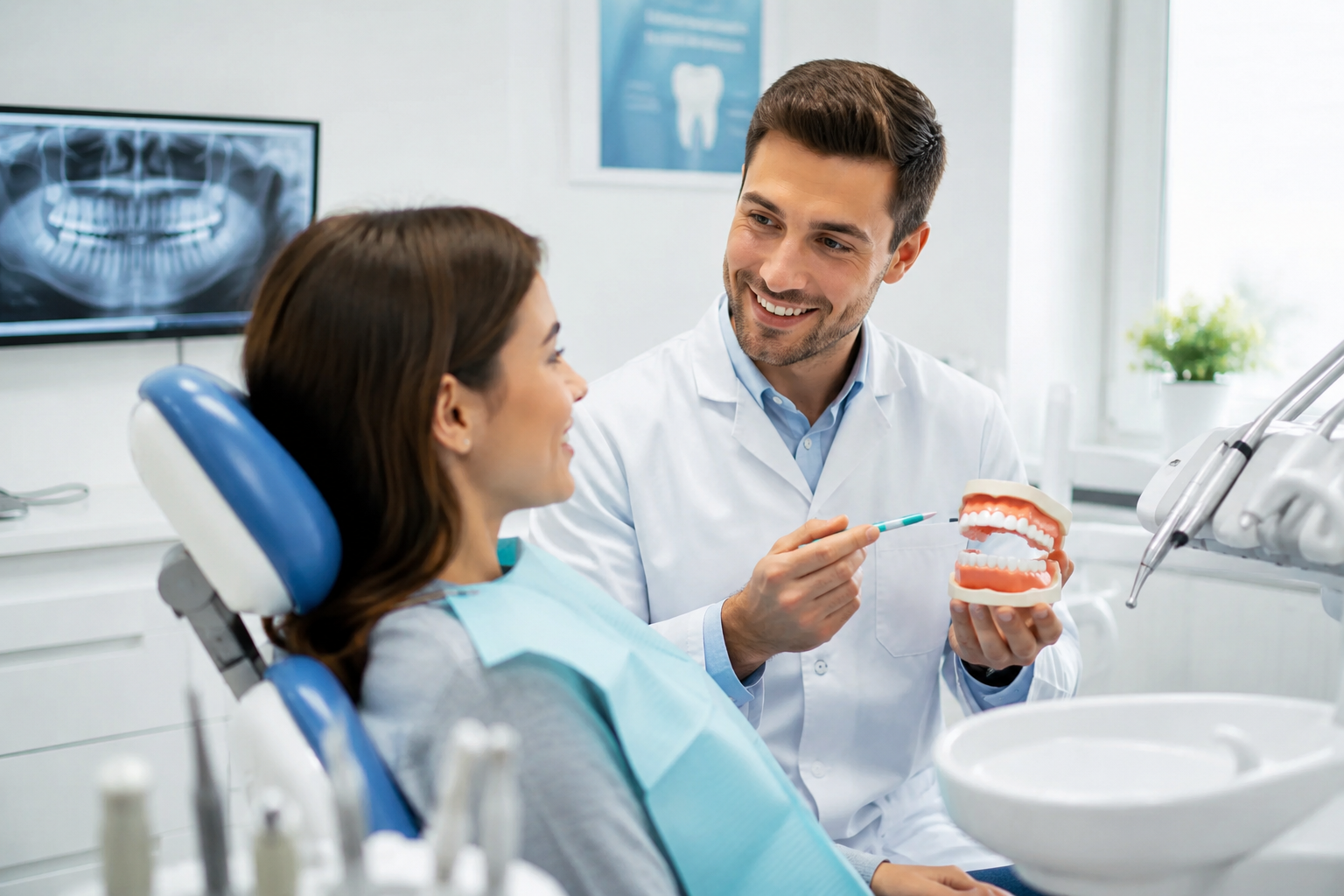
Looking for a family dentist in El Dorado Hills, CA? You’ll find caring, modern practices that make routine care simple and comfortable for every age. A local family dentist can handle everything from toddlers’ first visits to seniors’ restorative needs under one roof, so your whole family gets consistent, convenient care.
They focus on prevention, clear treatment plans, and gentle techniques to reduce anxiety. Expect child-friendly approaches, advanced technology for faster, more accurate treatment, and practical tips to keep smiles healthy between appointments.
The Importance of Regular Family Dental Care
Regular family dental care keeps teeth healthy, prevents painful problems, and reduces long-term treatment costs. It also creates a consistent record of each family member’s oral health and makes scheduling coordinated visits simple.
Benefits of Preventive Dentistry
Preventive dentistry focuses on stopping problems before they start. Routine cleanings remove plaque and tartar that brushing misses, lowering the chance of cavities and gum disease. Fluoride treatments and dental sealants further protect enamel, especially in children and teens.
Early detection matters. Regular exams catch issues like small cavities, gum inflammation, or misaligned bites before they worsen. Treating these early often requires less invasive work, such as fillings instead of root canals or minor orthodontics instead of complex corrections.
Preventive care also saves money. Families who follow recommended six-month visits typically face fewer emergency procedures and lower cumulative dental costs. The practice can tailor preventive steps to each patient’s risk factors, such as dry mouth, diet, or medical conditions that affect oral health.
Tailored Oral Health Plans for All Ages
A family dentist creates age-appropriate plans that evolve with each person. For toddlers, plans emphasize gentle exams, cleaning instruction for parents, and early cavity prevention. School-age children benefit from sealants, habit counseling, and growth monitoring.
Adolescents receive guidance on sports mouthguards, wisdom tooth monitoring, and orthodontic evaluations. Adults get individualized plans targeting gum health, cosmetic concerns, and restoration needs like crowns or implants when necessary. Seniors require attention to root decay, denture care, and conditions linked to medications or systemic disease.
Plans incorporate lifestyle and medical history. The dentist reviews diet, tobacco use, pregnancy, diabetes, and medications to adjust care frequency and treatments. This personalized approach keeps treatment appropriate, comfortable, and effective across decades.
How Routine Visits Protect Your Family
Routine visits create a baseline record and allow trend-tracking over time. Dentists document changes in enamel, gum recession, tooth wear, and oral lesions, enabling targeted interventions before problems escalate. X-rays and digital scans reveal issues between teeth and under restorations.
Regular appointments also reduce infection risk. Professional cleaning reduces bacterial load that contributes to periodontal disease, which studies link to systemic conditions like diabetes control and cardiovascular risk. For children, consistent visits establish positive dental experiences and reduce dental anxiety into adulthood.
Practices that offer same-day preventive care and clear next-step plans make follow-up easier. Coordinated scheduling for multiple family members saves time and ensures everyone receives age-appropriate care on a predictable timeline. Patients leave with concrete instructions for home care and signs to watch for between visits, encouraging proactive oral health.
What to Expect During Your First Visit
Patients will find a clear, practical process designed to assess oral health, address concerns, and plan care. Staff confirm medical history, perform exams and X-rays as needed, and discuss personalized treatment options and preventive steps.
Friendly Welcoming Environment
Reception staff verify insurance, collect completed medical and dental history forms, and explain any paperwork or consent forms before treatment starts. The waiting area offers seating and reading material; children’s toys or kid-friendly media are available if requested.
A dental assistant escorts the patient to the operatory and reviews current medications and anxiety preferences. The team outlines estimated visit length, fees, and any co-pays so there are no surprises.
Clinics use patient-intake tablets or paper forms based on preference and provide clear privacy practices for records. If sedation or numbing could be needed, staff discuss options and arrange driver requirements before proceeding.
Comprehensive Dental Assessments
The dentist performs a focused oral exam that includes gum health, tooth integrity, bite alignment, and oral cancer screening. Standard intraoral photos help document findings; the dentist shows images on a monitor to explain issues in plain language.
They take bitewing and/or panoramic X-rays when clinically indicated to detect cavities between teeth, bone loss, or impacted teeth. Digital radiographs minimize radiation and produce faster results for immediate review.
A periodontal chart is recorded if gum disease is suspected, noting pocket depths and bleeding points. The hygienist demonstrates plaque-removal techniques and may perform a professional cleaning that targets calculus and stain removal.
Individualized Treatment Recommendations
After assessment, the dentist summarizes findings and prioritizes treatment using simple, numbered options. They provide printed or emailed treatment plans with estimates, timeframes, and alternate options when appropriate.
Recommendations clearly distinguish urgent needs (pain, infection) from elective or cosmetic procedures. The team discusses preventive measures—fluoride, sealants for children, or night guards for grinding—tailored to the patient’s risk factors.
Insurance coverage, financing, and scheduling are handled by front-desk staff who present appointment availability for necessary procedures. Patients receive clear next steps, informed consent forms, and contact points for follow-up questions or to arrange specialized referrals.
Services Offered by Local Dentists
Local dental practices in El Dorado Hills focus on preventive care, restorative repairs, and cosmetic improvements that prioritize patient comfort and long-term oral health. They combine modern equipment with personalized treatment plans to address common needs like cleanings, cavities, and smile enhancements.
Gentle Cleanings and Exams
Dentists perform thorough dental exams and professional cleanings using ultrasonic scalers and hand instruments to remove plaque and tartar above and below the gumline. They check teeth, gums, tongue, bite, and oral tissues for signs of decay, gum disease, oral cancer, and wear, documenting findings and taking digital x‑rays when needed.
Hygienists provide individualized oral hygiene instruction, demonstrating brushing and flossing techniques and recommending products such as soft‑bristle brushes, interdental cleaners, or prescription fluoride toothpaste. For anxious patients, practices offer comfort options like nitrous oxide or warm blankets and explain each step to reduce stress.
Routine exams typically include a periodontal chart, bitewing x‑rays every 1–2 years, and a treatment plan if they find cavities or gum inflammation. They schedule recall visits based on risk — often every six months for most adults and more frequently for those with periodontal disease.
Cavity Prevention and Treatment
Dentists emphasize prevention with risk assessments that consider diet, medical history, saliva flow, and past decay. They provide professional fluoride varnish applications and dental sealants, especially for children and adults with deep grooves, to reduce the chance of future cavities.
When decay is present, dentists remove diseased tissue and restore the tooth using tooth‑colored composite fillings or ceramic inlays/onlays for larger defects. For extensive damage, they recommend crowns made from porcelain or zirconia to restore function and appearance.
If decay reaches the pulp, dentists offer root canal therapy to save the tooth, followed by a crown for protection. They discuss alternative options like extraction and implant replacement, explaining costs, timelines, and expected outcomes so patients can make informed choices.
Cosmetic Dentistry Options
Cosmetic services address stained, chipped, gapped, or misshapen teeth with predictable, minimally invasive options. In‑office whitening lifts deep stains in one to two appointments using professional bleaching agents and LED activation, while take‑home trays offer gradual, controlled whitening.
Veneers—thin porcelain or composite shells—reshape teeth for size, color, and alignment discrepancies with conservative preparation. Composite bonding repairs chips and small gaps in a single visit and allows easy repairs later.
For more comprehensive changes, dentists combine orthodontic options (clear aligners) with restorations to achieve both alignment and cosmetic goals. They provide clear cost breakdowns, timelines, and before‑and‑after examples so patients understand results and maintenance requirements.
Dental Care for Children and Teens
This section explains practical steps to build positive dental habits, protective treatments like sealants and fluoride, and when orthodontic evaluation is appropriate. It focuses on comfort, prevention, and clear next steps parents can use.
Creating Positive Early Experiences
Dentists recommend a first dental visit by the child’s first birthday or within six months of the first tooth eruption. Early visits use gentle language, short exams, and demonstration with a toothbrush to reduce fear and establish routine.
Parents can prepare by role-playing at home, reading picture books about the dentist, and scheduling morning appointments when the child is rested. The dental team should explain each step aloud, offer choices like “Which flavored toothpaste?” and reward cooperation with a sticker rather than sugar-based treats.
For children with anxiety, pediatric dentists may use distraction (videos, music), tell-show-do techniques, and calm communication. Nitrous oxide is available for older or particularly nervous children and is administered under strict safety protocols.
Sealants and Fluoride Treatments
Sealants protect chewing surfaces of permanent molars by filling grooves where food and bacteria collect. Application takes minutes: the tooth is cleaned, etched lightly, rinsed, and the resin is painted on and cured with a light.
Fluoride varnish strengthens enamel and reduces cavity risk; it is painted on teeth and requires no rinsing. Typical schedule: varnish every three to six months for high-risk children, and sealants placed soon after first permanent molars erupt (around ages 6 and 12).
Parents should continue daily brushing with a pea-sized fluoride toothpaste for children over two and supervise until about age eight. Discuss fluoride needs with the dentist to balance topical treatments and drinking-water fluoride levels.
Guidance on Orthodontic Needs
Orthodontic screening is recommended by age 7 to identify bite problems, crowding, or early tooth loss that could affect development. Early evaluation does not always mean early braces; it determines whether interceptive treatment (expanding arches, guiding eruption) could reduce future complexity.
Signs to watch for: persistent thumb-sucking past age 4, difficulty chewing, early or late tooth loss, pronounced jaw asymmetry, or teeth that don’t meet properly. When these appear, the dentist will take records — photos, X-rays, and study models — and refer to an orthodontist if needed.
Modern options range from growth-modifying appliances in younger patients to clear aligners and traditional braces for teens. The dental team will outline timing, estimated duration, and care instructions so parents can plan for appointments and maintain oral hygiene during treatment.
Oral Health Support for Adults and Seniors
Adults and seniors benefit from targeted care that restores chewing function, relieves sensitivity, and protects gums against progressive disease. Practical solutions include long-lasting restorations, desensitizing strategies, and personalized periodontal plans that fit medical histories and daily routines.
Restorative Solutions
Dentists restore teeth using materials and techniques that balance durability with appearance. For single-tooth repair, porcelain or composite crowns repair cracked or heavily filled teeth; crowns typically last 10–15 years with good home care. Onlays and inlays preserve more natural tooth structure than crowns and suit moderate decay or fracture.
For multiple missing teeth, fixed bridges replace teeth by anchoring to adjacent crowns, while implant-supported crowns and dentures offer superior stability and bone preservation. Dental implants integrate with the jawbone and can last decades when patients maintain oral hygiene and attend regular checkups. Removable partial and full dentures remain effective for broader tooth loss and can be relined or rebased to improve fit as the mouth changes.
Treatment plans account for chronic conditions like diabetes or osteoporosis, and coordinate with physicians when necessary. The dentist evaluates bite forces, esthetics, and budget to recommend a practical sequence—stabilize disease, restore function, then refine esthetics.
Managing Sensitive Teeth
Tooth sensitivity often arises from exposed dentin, enamel loss, or gum recession. First-line care includes using a fluoride toothpaste for sensitivity, prescription-strength fluoride gels, and daily desensitizing toothpaste containing potassium nitrate or stannous fluoride to reduce nerve hyperreactivity.
In-office options include fluoride varnish applications, bonding exposed roots with composite resin, or placing glass ionomer restorations to seal cervical lesions. For generalized sensitivity from enamel erosion, the dentist may recommend nightguard therapy for bruxism and dietary adjustments to reduce acidic exposure.
When pain persists despite conservative measures, root canal therapy may become necessary to remove inflamed pulp. Seniors taking medications that reduce saliva should be evaluated for dry mouth and prescribed saliva substitutes or topical fluoride trays to protect tooth surfaces.
Gum Health and Disease Prevention
Periodontal health requires tailored maintenance based on pocket depth, bleeding, and bone levels measured on radiographs. For early gingivitis, professional cleanings every 3–6 months plus improved home care—twice-daily brushing with a soft brush and daily interdental cleaning—typically reverses inflammation.
For moderate to advanced periodontitis, scaling and root planing under local anesthesia removes subgingival plaque and calculus. Adjuncts can include locally delivered antimicrobials, systemic antibiotics when indicated, and periodontal laser therapy to reduce bacteria and enhance healing.
Maintenance intervals increase with disease severity; many patients with periodontitis benefit from three-month periodontal recall visits. The dental team also reviews tobacco cessation, glycemic control, and medications that affect gums, coordinating care with primary physicians to reduce reinfection risk.
Comfort-Focused Care and Advanced Technology
The practice prioritizes painless experiences and uses modern tools to speed treatment, improve accuracy, and reduce recovery time. Patients benefit from techniques that limit discomfort and equipment that yields clearer diagnoses and longer-lasting results.
Pain-Free Treatment Techniques
They begin with personalized numbing strategies, choosing topical anesthetics plus buffered local anesthetic when appropriate to reduce sting and onset time. For anxious patients, the office offers nitrous oxide and oral sedation with pre-visit screening, so sedation levels match medical history and procedure complexity.
For many restorative procedures, they use atraumatic techniques such as microscope-assisted cavity preparation and air abrasion to preserve more healthy tooth structure. Post-op pain control emphasizes multimodal measures: short-course NSAIDs, targeted local anesthetic blocks, and clear written aftercare to minimize swelling and discomfort. Staff also trains in gentle soft-tissue handling and pausing frequently to check patient comfort, ensuring procedures proceed at a pace the patient tolerates.
Modern Equipment for Better Results
They use digital X-rays and CBCT scans to capture high-resolution images with up to 80% less radiation than traditional film, enabling precise treatment planning for implants and complex extractions. Intraoral scanners replace messy impressions, producing accurate 3D models for crowns and clear aligners within minutes.
The office employs CAD/CAM milling to fabricate same-day ceramic crowns, cutting lab wait times and reducing the number of visits. Laser dentistry assists with gum contouring and periodontal therapy, offering reduced bleeding and faster healing. Sterilization follows CDC guidelines and uses digital tracking to confirm instrument cycles, reinforcing patient safety.
Tips for Maintaining Healthy Smiles at Home
Small, consistent habits protect teeth and gums, support dental restorations, and reduce the need for emergency care. Practical choices about brushing, flossing, products, and diet make daily prevention effective and simple.
Daily Oral Hygiene Habits
They should brush twice daily for two minutes using gentle, circular strokes and a soft-bristled brush to remove plaque without damaging enamel or gums. Brushing immediately after acidic foods or drinks is discouraged; waiting 30–60 minutes allows saliva to neutralize acids.
Flossing once a day reaches between teeth and under restorations where a brush cannot. Use a clean section of floss for each tooth surface, or try interdental brushes for wider spaces and implants.
An antimicrobial mouthrinse can reduce bacteria when used once daily, preferably at a different time than brushing to avoid washing away fluoride. Replace toothbrushes every 3–4 months or sooner after illness.
Choosing Dental Products
Select a fluoride toothpaste with the ADA Seal or equivalent to strengthen enamel and reduce decay. For sensitivity, choose a toothpaste containing potassium nitrate or stannous fluoride and use it consistently for several weeks to see benefit.
Electric toothbrushes with a pressure sensor help maintain correct force and often clean more effectively than manual brushing. For interdental cleaning, pick sizes of interdental brushes that fit snugly without forcing; waxed floss glides better for tight contacts.
People with crowns, bridges, or implants should use non-abrasive toothpaste and avoid metal instruments at home. Ask a dentist for product recommendations tailored to pediatric, orthodontic, or xerostomia (dry mouth) needs.
Nutritional Advice for Strong Teeth
Limit frequency of sugary or acidic snacks; each exposure increases risk of demineralization. Encourage water between meals to rinse sugars and acids; fluoride in tap water helps remineralize enamel.
Choose dairy, leafy greens, nuts, and lean proteins for calcium and phosphorus, which support tooth mineral content. Crunchy fruits and vegetables like apples and carrots stimulate saliva and provide a mild mechanical cleaning effect.
Avoid constant sipping of sweetened beverages; use a straw for occasional sugary or acidic drinks to reduce contact with front teeth. For children, space sweet treats to allow saliva time to neutralize acids and consider chewable xylitol products after meals to reduce cavity-causing bacteria.
How to Choose the Right Dentist in El Dorado Hills
Start by checking credentials and experience. They should be licensed, have up-to-date training, and ideally belong to professional organizations that signal commitment to continuing education.
Look for a practice that prioritizes patient comfort and clear communication. Read reviews and ask about pain-management options, sedation choices, and how staff explain procedures in plain language.
Consider the range of services offered. A family dentist who provides preventive care, restorative work, and basic cosmetic treatments can keep care centralized and convenient for all ages.
Evaluate office accessibility and hours. Proximity, parking, weekend or evening appointments, and emergency availability matter when scheduling is tight or urgent issues arise.
Ask about technology and infection control. Modern diagnostics (digital X-rays, intraoral cameras) improve accuracy and safety, while strict sterilization protocols protect patient health.
Compare costs and insurance policies upfront. Request a clear estimate, ask about payment plans, and verify which insurers the practice accepts to avoid surprises.
Trust instincts during an initial visit. Friendly staff, a calm atmosphere, and clear explanations often reflect a practice that values patient experience and long-term oral health.
Encourage readers to schedule a consultation or call with questions. A short conversation can reveal whether the dentist’s approach and values match the family’s needs.
Building Lifelong Relationships Through Community Care
The practice treats each patient as a neighbor, not just a chart. They prioritize listening to concerns and tailoring care to fit family routines and budgets.
They participate in local events and school programs to teach kids simple oral care habits. These outreach efforts build trust and make dental health feel approachable for all ages.
Staff offer flexible scheduling and reminder systems to reduce missed appointments. This focus on convenience helps busy families stay consistent with preventive visits.
They provide clear explanations of treatments and alternatives, using plain language and visuals. Patients leave feeling informed and comfortable with their choices.
The team emphasizes preventive care—cleanings, sealants, and fluoride treatments—to reduce future problems. Small steps today often mean fewer procedures later, saving time and stress.
- Warm, local presence: staff who know the community
- Modern comfort options: sedation, digital x‑rays, same‑day restorations
- Practical education: easy home-care tips and follow-up resources
They invite questions and make scheduling straightforward, encouraging patients to take the next step. Call or message the office to discuss concerns, book a visit, or learn how they support lifelong oral health.
Ready to Prioritize Your Family’s Dental Health?
The practice welcomes families of all ages in El Dorado Hills and makes dental care simple and comfortable. They focus on gentle exams, clear explanations, and preventive plans that fit busy schedules.
Parents appreciate that the team explains treatments in plain language and offers practical tips for home care. Short demonstrations and quick takeaways help children and adults build better brushing and flossing habits.
They provide modern options like digital X-rays, same-day crowns, and safe sedation when needed. These technologies reduce time in the chair and improve accuracy, which eases anxiety for many patients.
Common next steps are easy to book and often begin with a comprehensive exam and a customized hygiene plan. New patients receive a friendly welcome, insurance guidance, and help scheduling convenient appointments.
If questions or concerns arise, the staff encourages calling or using the online form to discuss options. They invite families to arrange a consultation to start personalized care and keep smiles healthy for years.
Frequently Asked Questions
This section answers common concerns about choosing a family dentist, preparing children for visits, anxiety-friendly options, same-day technology, routine care frequency, and what to do in dental emergencies. It gives concrete steps patients in El Dorado Hills can take and what to expect at the office.
How do I choose the right dentist for my whole family in El Dorado Hills?
They should verify that the dentist is licensed in California and has experience treating both children and adults. Look for credentials like membership in the American Dental Association or state dental societies and ask about continuing-education courses in pediatric, restorative, and cosmetic care.
They should tour the office or check photos online for a child-friendly waiting area, modern sterilization and digital imaging equipment, and wheelchair accessibility if needed. Read local reviews that mention communication style, appointment punctuality, and how staff handle anxious patients or special-needs children.
What should I expect at my child’s first dental visit, and how can I help them feel comfortable?
The first visit typically includes a friendly exam, gentle cleaning if the child cooperates, and age-appropriate X-rays only if necessary. The hygienist or dentist will demonstrate tools on a stuffed animal or let the child hold a mirror to reduce fear.
Parents should bring favorite toys, read short books about the dentist beforehand, and use calm, simple language: “We’ll count your teeth and keep them healthy.” Scheduling early morning or after-nap appointments often helps younger children arrive rested and cooperative.
Do you offer gentle options for patients with dental anxiety or a sensitive gag reflex?
Many family practices provide nitrous oxide (laughing gas), oral sedatives, and a stepwise behavior-management approach to reduce anxiety. Staff often use distraction techniques, breaks during treatment, and smaller instruments to minimize gagging.
They can also offer topical numbing agents, local anesthesia with slow injection techniques, and pre-visit consultations to build trust and plan accommodations. Requesting longer appointments gives the dentist time to work slowly and comfortably.
What dental services can be done in one visit with modern technology, like same-day crowns or digital x-rays?
Same-day crowns made with CAD/CAM milling (CEREC-style) allow preparation, scanning, milling, and placement in one appointment. Digital X-rays and intraoral scanners produce instant images, reducing chair time and exposure compared with traditional film.
Some offices also perform same-day fillings, and office-based whitening or sealant application in a single visit. Ask the practice whether they design and mill restorations onsite or send designs to an external lab, as that affects scheduling and turnaround.
How often should my family come in for cleanings and exams, and what’s the “two-year rule” I’ve heard about?
Most patients benefit from dental cleanings and exams every six months, which helps remove plaque, check restorations, and catch decay early. However, the dentist may recommend visits every three to four months for patients with gum disease, heavy plaque, or certain medical conditions.
The “two-year rule” typically refers to comprehensive exams or panoramic X-rays done at least every two years for adults, or when a dentist needs a full update on oral health. Families should follow individualized schedules based on gum health, decay risk, orthodontic status, and medical history.
What should I do if I have a dental emergency like a cracked tooth, severe toothache, or swelling?
For a cracked tooth, save any broken pieces, rinse the mouth with warm water, and apply cold compresses to reduce swelling. Call the dental office immediately for a same-day appointment; many family dentists reserve emergency slots.
For severe toothache or swelling, persistent pain or fever could indicate infection—seek treatment right away, as infections can spread. If there’s uncontrolled bleeding or trauma to the face or jaw, go to the nearest emergency room or urgent dental clinic.